1 / 3
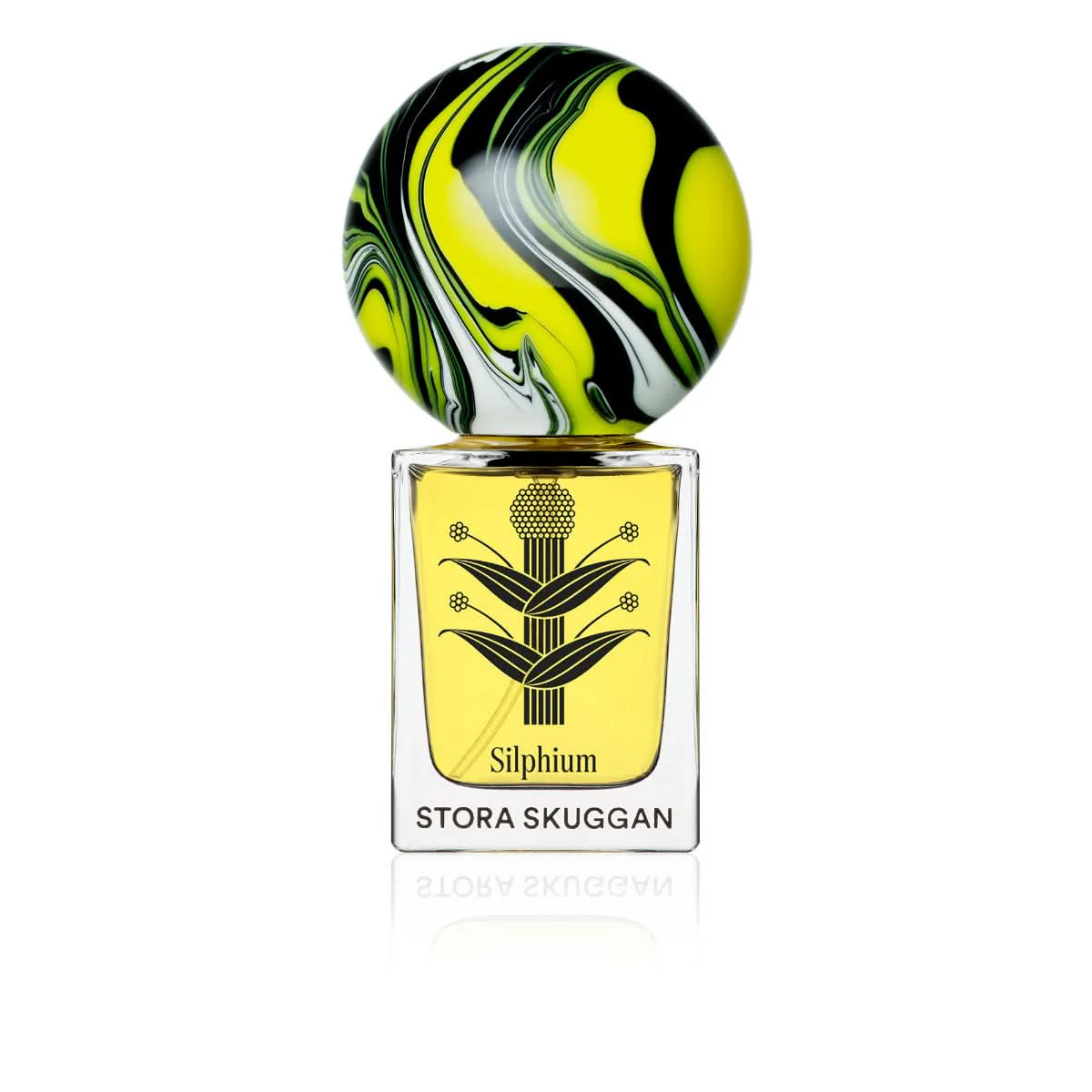
Silphium 30ml
Silphium (probably of the genus Ferula) was a plant that grew in the area of Cyrene, present day Libya, and was widely renowned as a spice, medicinal herb and perfume ingredient throughout the empires of the classical antiquity. It was praised by Greek philosophers and writers, as well as Roman emperors and cookbook authors.
Our rendition of this historical plant is created by researching surviving assumed relatives of Silphium, using aromachemicals (the molecular building blocks of scents) to create an accord that we feel represents what descriptions remains. This is set against a background of ancient incense, woods and leather.
Our rendition of this historical plant is created by researching surviving assumed relatives of Silphium, using aromachemicals (the molecular building blocks of scents) to create an accord that we feel represents what descriptions remains. This is set against a background of ancient incense, woods and leather.
Silphium (probably of the genus Ferula) was a plant that grew in the area of Cyrene, present day Libya, and was widely renowned as a spice, medicinal herb and perfume ingredient throughout the empires of the classical antiquity. It was praised by Greek philosophers and writers, as well as Roman emperors and cookbook authors.
Our rendition of this historical plant is created by researching surviving assumed relatives of Silphium, using aromachemicals (the molecular building blocks of scents) to create an accord that we feel represents what descriptions remains. This is set against a background of ancient incense, woods and leather.
Our rendition of this historical plant is created by researching surviving assumed relatives of Silphium, using aromachemicals (the molecular building blocks of scents) to create an accord that we feel represents what descriptions remains. This is set against a background of ancient incense, woods and leather.
$31.82
Original: $90.91
-65%Silphium 30ml—
$90.91
$31.82Description
Silphium (probably of the genus Ferula) was a plant that grew in the area of Cyrene, present day Libya, and was widely renowned as a spice, medicinal herb and perfume ingredient throughout the empires of the classical antiquity. It was praised by Greek philosophers and writers, as well as Roman emperors and cookbook authors.
Our rendition of this historical plant is created by researching surviving assumed relatives of Silphium, using aromachemicals (the molecular building blocks of scents) to create an accord that we feel represents what descriptions remains. This is set against a background of ancient incense, woods and leather.
Our rendition of this historical plant is created by researching surviving assumed relatives of Silphium, using aromachemicals (the molecular building blocks of scents) to create an accord that we feel represents what descriptions remains. This is set against a background of ancient incense, woods and leather.